Blurry Lines: The continuum of disrespect.

Illustration of a grey blob with words indicating confusion around it

When it comes to extreme behaviour, it’s pretty clear when something is unacceptable. If a stapler is thrown across the room in a fit of rage, most of us would agree that we’re getting a no feeling from the situation. But it’s not always so obvious.

Disrespect often takes a subtler form, and in this grey area it can be difficult to decipher. While subjectivity in each of our perceived experiences plays a part, it doesn’t absolve microinequities and microagressions.

That said, we need to acknowledge the elephant in the room: sometimes we don’t like the direction that someone gives us but that doesn’t make it disrespectful. When someone gives us feedback at work, for example, we might feel uncomfortable – but maybe that’s a necessary component of the job and the hierarchies that are a part of it.

In many of the roles that we play throughout life, an integral aspect is assigning work, getting critical feedback, and managing performance on both an individual and collective basis. Critique, instruction, orders…these are necessary aspects of interbeing, and are neither good nor bad in themselves. Either way, they can be uncomfortable.

Illustrated line with indications showing a shift from acceptable to unacceptable behaviour

Respect and disrespect exist on a continuum together, and the line between them is a blurry one. Yet it’s an important aspect to consider because it helps us understand the difference between acceptable behaviour and one requiring a response.

Was that valid constructive criticism from our boss or a personal attack? It isn’t always as clear as a flying stapler. As such, reactions to situations straddling this line should be tempered to match the situation – a direct conversation being a good starting point before hiring a lawyer.

At the other end of the spectrum however, unacceptable behaviour is unquestionably so. In these cases our ways of addressing it need to scale appropriately – utilizing the resources available to us to enter an informal resolution process, making a formal complaint, or, if it feels safe, taking immediate intervention. In taking action we avoid the additive trouble that comes from procrastinating tough situations.


While it may not be as simple as we wish, the result is walking a path with integrity and due diligence – and hopefully cleaning up more messes than we make. Undoubtedly, emotions will bubble up but remember: feelings are not facts and we need to be aware that our biology programs us to react defensively. Of course we need to be cautious of belittling comments, gestures, and personal attacks, but it requires a bit of reflection and thinking beyond oneself to perceive situations clearly.

Reading a situation wrong and overreacting also has cascading impacts to be wary of. Inflated accusations of harm tend to deflect responsibility, shun the other party, or shut down the conversation altogether. Unless your goal is to hurt the feelings of the other person, it can not only escalate conflict but also create it out of nowhere.

As such, it is worthwhile to consider the continuum of disrespect when we feel uncomfortable and are uncertain if it’s acceptable or not. We can find appropriate reactions by identifying when acceptable behaviour spills over into behaviour requiring a response.

Dealing with conflict is one thing, but acknowledging situations where there is the potential for it to be created is the other side of it. Conflict may be natural, but it arises from the continuous flow of actions and reactions in the relationships of our life. In this, each of us inevitably plays a part. 


If you find yourself today in a conflict and a direct conversation hasn’t moved things toward resolution, our team at Mediation Services can help. Get in touch and we can connect you with one of our trained third-party mediators. Or, if you’re an organization, reach out about scheduling a trainer to come into your workplace to lead a workshop teaching options to be used internally.

We also have an ever-expanding collection of free resources here on our blog and through our newsletter, which we hope will serve you in your own life. And for those interested in self-directed study, our on-demand webinar offerings are a great starting point.

When an extreme action seems to arise out of nowhere, it probably didn’t actually rise out of nowhere. Looking closely, we can carefully choose our reaction accordingly.

Definitions: The difference between conflict and disrespect.

Side-by-side dictionary page sketches for Conflict and Disrespect

A question for you: is there a difference between conflict and disrespect? Or, are they instead synonyms for exactly the same thing?

If you answered, "Yes – they’re different!" but the person next to you happened to answer, "Nope – obviously they’re interchangeable", this illustrates a tricky issue we run into with language. Sometimes each of us uses the same word but with a different intended meaning. This runs the risk of having gaps of understanding in our communications, where we unwittingly are not talking about the same thing.

So let’s get clear what we’re talking about here with some definitions.

  • Conflict is an expressed struggle between at least two interdependent parties who perceive incompatible goals, scarce rewards, and interference from the other party in achieving their goals.
  • Disrespect is disregard for the feelings, wishes, rights, and traditions of others.

Now, with this shared foundation laid, consider the question again: is there a difference between conflict and disrespect?


Healthy conflict is about issues and ideas. It is an inherent part of life because none of us are separate from others. Relationships and the friction that comes along with them are inevitable.

Disrespect, on the other hand, is about behaviour. Shouting, threats, swearing, unsolicited/unwelcome contact, gestures…these inappropriate actions erode trust, loyalty, and commitment that one would hope to have in all their relations.

When we are overwhelmed by emotion in the heat of the moment, it can be tricky to distinguish between natural conflict and uncalled for disrespect. Yet, in these moments especially, it’s important to understand their differences in order to identify which is at play and what skillful actions might be taken.

Conflict does not equal disrespect banner

Take for instance an example that is all too familiar: you’re working on a project with a colleague and facing a hard deadline in one month. The two of you are having a meeting about how to schedule the tasks that need to be done. As a self-identified planner, you know that an organized and steady approach of chunking the work week-by-week is a recipe for success. Your co-worker on the other hand, staunchly believes that the best way to optimize time is to wait until the last week by chunking all the work together at once.

As you pore over your calendars together, you can’t help but notice your colleague rolling their eyes at you – emphasized by the loud sighs voicing their annoyance. Flustered by this behaviour but unsure of what to do next, you calmly explain your reasoning for wanting to meet once a week but it falls on unlistening ears. Their if it weren’t for the last minute nothing would get done philosophy runs deep.

All of a sudden your colleague turns red and flatly declares, "Only a fool would need to take a whole month to get this done! Ugh, this is so ridiculous!" With that, they push themselves away from the desk and stomp out the room, leaving you aghast and alone – without a plan for what to do next.

What just happened?

In this situation, there was a conflict between you and your colleague over how to manage the time spent on a project together. This unresolved conflict became an act of disrespect when your colleague began rolling their eyes and…escalating.

When we are in a place of unresolved conflict or tensions, disrespect tends to arise from its troubled seeds. And so, while different in their essence, the two concepts also exist in relation to each other.

Acts of disrespect are generally unwarranted, and most certainly unwelcome. Nonetheless, if we have been the recipient of disrespect, the way we respond can make all the difference between bringing the conversation back around to resolving the conflict, or slinging more acts of disrespect to and fro. And even before that, we need to clarify if we’ve experienced conflict or disrespect.


Dealing with conflict is important for each and every one of us. Fractured relationships, uncomfortable coexistence, and job dissatisfaction are all too common – but they don’t have to be this way. Here at Mediation Services we’ve facilitated many happy endings (or, at the very least, respectful continuations) in-person since 1979 and now online since 2020.

Born from experience, we highly recommend our keystone online course that is Introduction to Conflict Resolution: Dealing with Difficult People. Conflict is in all of our lives, and we owe it to ourselves and our communities to find non-competitive win-win solutions in the face of differing beliefs.

Beyond this general resource there are always places where we can dive in more specifically, and one area of clear need is in the relationships surrounding our jobs. As we explored in the aforementioned example, disrespect in the workplace is an all too familiar thing. Unaddressed, a culture of disrespect can quickly add up to employee dissatisfaction, performance problems, and a self-perpetuating cycle of more disrespect.

Our specialized webinar on Building a Respectful Workplace deals with dynamics within these complex spaces directly. Through acknowledgment, reflection on our role(s), and subsequent action, we can each play our part in creating work environments that we enjoy spending our days in. Read more about what this offering includes here or feel free to reach out directly for wider advice on facilitating respectful workplaces and spaces beyond.

Mathematics: Little acts of disrespect add up.

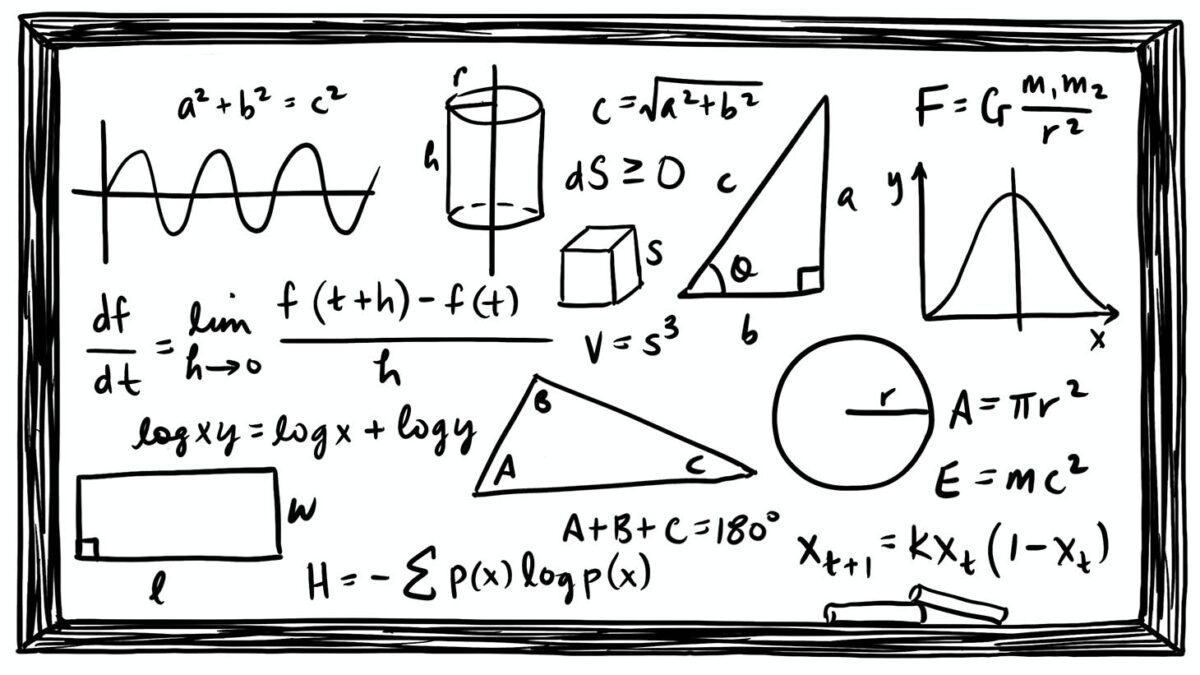
A chalkboard full of math-y scribbles

Have you ever seen a hot pepper eating challenge? There’s a popular show on Youtube called Hot Ones, where people are interviewed while eating hot wings. It’s undoubtedly silly, but all of us who can’t pry our eyes away probably watch because…well, it’s relatable. We’ve all been there in terms of our own relationship with spice.

Bite number one is tentative because we know that every pepper packs a different punch than the ones that came before it. It has a distinct flavour, with only a subtle hint of underlying heat – not bad.

The second bite carries the flavour forward and through the palate, but the spice is kicked up a level…manageable, but also beginning to alert you that the spice might need to be managed. Little beads of sweat start forming on your brow.

The third bite: all of a sudden, there is no flavour – only FIRE. Cold water, fresh milk, dry crackers…nothing can extinguish your taste buds / running nose / bodily panic.

Clearly, we have a threshold when it comes to spice and our adventures with hot peppers. Each little bite adds up – but since they’re little, the mathematics of it all can sneak up on us.

Let’s take a closer look at the proof:

Let X = 1 little bite of a spicy dish
Let Y = An individual’s threshold for pushing onward

It follows that:
X + X = 2X
2X + X = 3X

When TOTAL > Y, said individual taps out in a less-than-graceful way
∴ little bites add up in big ways

QED

One plus one is two. Two plus one is three. And on and on in its additive manner…until we pass a threshold we might not even have realized we had – the tipping point where little things aren’t so little anymore.

Now, replace variable X with ‘1 little act of disrespect‘ and you have another additive equation we need to be mindful of. While obviously different, the concept is similar.


Over time, little acts of disrespect add up. Individually they might simply be ignored, but the reality is that they don’t exist in isolation and can compound if disregarded.

Just like regret cannot undo a bite taken, so too an act of disrespect cannot be taken back. Without an effective undo button, the mathematics involve plus signs aplenty.

The running total only ends with the relationship itself, so it’s best to be mindful of the little things to find out what lies on the far side of one’s tipping point and the decisions that come along with it (treating others badly, losing sight of one’s value in a situation, quitting a job / relationship / pursuit, etc).

Here are a couple things to look out for:

  • Micro inequities: moments of disrespect that might seem minor, but over time they erode the trust and the loyalty that one would hope to have in a workplace.
  • Micro aggressions: subtle everyday interactions that communicate some sort of bias toward historically marginalized groups.

Facial expressions, tone of voice, choice of words…little actions like these can on their own seem minor, but the cumulative effect can be devastating despite maybe even being unnoticed by others. The impact can create an ongoing feeling of being regarded as a second-class citizen and non-belonging.

It’s doubly tricky because respect is in the eye of the beholder, so the person whose behaviour is triggering may not even realize that their action is being received as disrespectful. This doesn’t change the reality for the person affected though, so it’s helpful to adapt a baseline mindset that is grounded in curiosity. With this approach, things can be dealt with openly and with an attentive eye for an unhelpful biologically triggered defensive stance.

Relationships are the spice of life banner with spicy peppers laid out

Procrastination in the face of disrespect only makes the situation worse. We think, "Ah, the issue is not big enough to bother addressing, Plus, it would be uncomfortable to deal with." And so, often we don’t do anything about it. But the truth is that then things build up and we’re suddenly living with unresolved tension or conflict.

Further, we know that if we wait too long to address an issue it’s possible people have already forgotten about it. Or, put another way, the appropriate window of time to address something has passed. So procrastination is not particularly helpful in moments of disrespect.

It’s a safe assumption that by the time we’re being held accountable for disrespect or, on the other side, are consciously experiencing it, there have been some things that have already happened to get to this point.


Little things brushed aside add up to unresolved tension, which is fertile ground for further disrespect to grow from. And so it spreads like a spicy fire through our families, communities, and workplaces if not addressed carefully.

While the variables that go into calculating the limits involved are different for each of us, the point is that we all have a threshold where what were little things add up to a larger struggle. Whether they do so over the timespan of a week or years, they undoubtedly do if we don’t aim to address them.

So, what are our options when we experience a moment of disrespect? And based on those options, what are the possible consequences?

It’s complicated, but there is one key constant across all situations: open communication. If you experience disrespect, it’s important to vocalize and bring clarity to it even if it might feel uncomfortable. Or if you are in another role surrounding disrespect (perhaps an unwitting source, observer, or authority who has the responsibility to manage it), you need to be open to playing your part with care as well.

In our online course Building a Respectful Workplace, we dive deep into each of these shifting roles in our places of work because it is a specific area of need we feel compelled to address head-on. But the drama extends to all of our relationships – the close ones at home and the casual ones out in the world.

We encourage you to cultivate safe spaces for these open conversations in your life, but if the little things have added up to what feels like a divide we can be a resource to help. Consider taking one of our self-study online courses/webinars or fill out a self-referral form on our website to request a third-party mediator for your personal needs (be it family conflict, co-parenting / separation, workplace, or community oriented).

Relationships are the spice of life. Let’s do our part to make sure they are the right kind of spicy.

Perception: Respect is in the eye of the beholder.

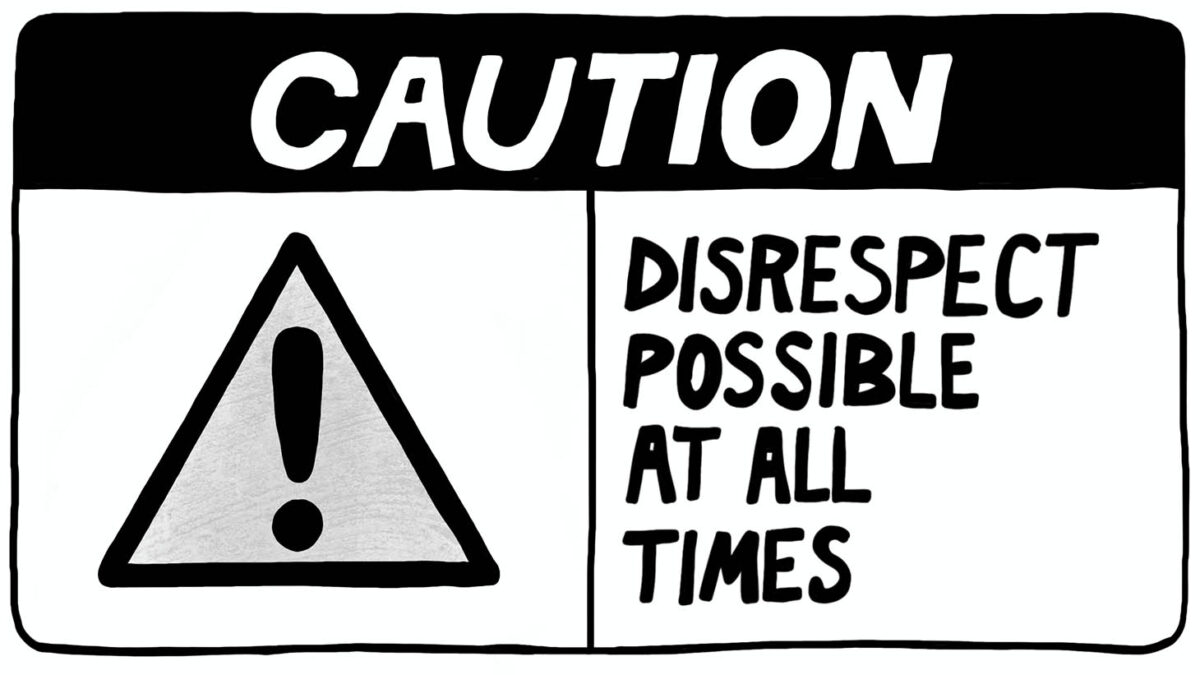
Caution sign - Disrespect possible at all times (illustration)

What would you think if we told you: respect is in the eye of the beholder? That, regardless of your best efforts, sometimes your actions are still disrespectful?

Wait wait wait – this is not a condemnation! Before you roll your eyes and move on with your day, hear us out. This idea isn’t about accepting responsibility for that which you didn’t do. Rather, it’s an invitation to open up to the idea that despite your purest intentions they might not always be received that way.


Imagine hopping on a plane and jetting to the far side of the planet. You and your bestie Bethany dress casually for the flight – getting comfortable in matching sweatpants and tank tops. Glancing around the plane as it takes off, it’s obvious that you aren’t the only one embracing the cozy and cute strategy. But upon landing, you can’t help but notice that you are suddenly the lone ones in the crowd showing your shoulders.

Wrapping a cardigan over your cozy-casual outfit, you point out the observation to Bethany. She shrugs your words off in the blast of heat that greets you as you step outside, and continues to roll her suitcase to a taxi-stand – oblivious to the dirty looks being cast at her sideways.

In some cultures, exposing skin is disrespectful. And although the intention of Bethany’s behaviour did not change between takeoff and landing, the reception of it by others certainly did.


This example highlights how our intentions don’t always match up with others’ perceptions of them. You can be treating others as you wish to be treated and be disrespectful at the same time.

What is considered disrespect is largely in the eye of the beholder. Yet someone else’s experience becomes their reality, even when it doesn’t match your perspective. The consequences are there for everyone involved, and so these sorts of situations ought be acknowledged and worked with in order to avoid unnecessary issues down the road.

Undoubtedly, it is complicated by human diversity and gaps in subjective experience. Most of us go through life believing we are behaving in a respectful way and are simply oblivious to unintended impacts of our actions. It follows then, that a good first step in addressing unseen disrespect is to have a conversation where the target in such a situation can share their perspective. After which, there can be space to mindfully adjust repeated behaviour going forward.

What they thought I meant side-by-side (illustration)

While this travelling example is an extreme one, the same elements play out in all relationships. In our families, our communities, and our workplaces…there is a lot of diversity in terms of ideas, cultures, and generational ideals even in these spaces closer to home.

An action as simple as not looking at someone when talking to them can be interpreted as an act of disrespect. Even if we meant nothing by it, we are intertwined with its existence.

Respect is regard for the feelings, wishes, rights, and traditions of others – something that most of us wholeheartedly will agree that we’re in favour of. The question then becomes: how can we best embody this amidst the evident complexity of subjectivity?

A good place to start is to do our homework in being sensitive to other people’s subjective experiences. In the travelling example, perhaps you could do some research before hopping on the plane to learn the basic cultural etiquette of the people you might meet. In your community back home, it could be fostering relationships with your neighbours to share your experiences with each other. In the workplace, it could be listening to your colleagues on the individual level or enrolling the whole team in our Building a Respectful Workplace online course to tackle it at an organizational level.

Despite our best efforts, it is inevitable that we will sometimes accidentally offend others. It’s healthy to remember this and be open to someone else’s experience – also being wary of our biological predisposition towards defensiveness when facing confrontation!


Experiencing disrespect yourself? You’re not alone, and we’re here to help.

To address the specific needs of organizations, we’ve expanded our in-person offerings to include the Building a Respectful Workplace online course. Read more about all that this includes here or reach out directly for wider advice on facilitating respectful spaces in the workplace – and beyond.

Things can be messy sometimes – and that’s okay. We can work with that, together.

Accounting: The cost of disrespect in the workplace.

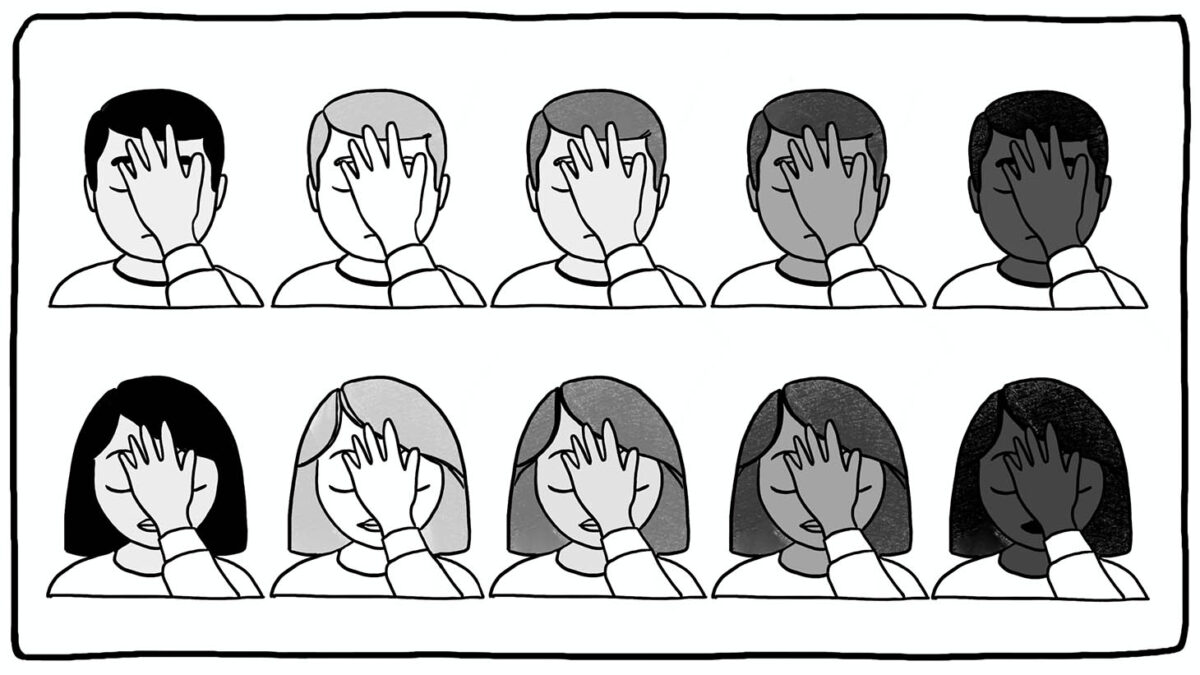
The whole team facepalms together

Disrespect in the workplace costs organizations a tremendous amount of money. It is often called a hidden cost, but despite this it also is one which we all know is there.

Take a moment to think about your experiences in past jobs and consider these questions:

  • How many people have quit a job or asked to be transferred because of how they were being treated?
  • How many people have started working less or putting in less effort because of the workplace dynamics?
  • How many people ignored or avoided somebody because of how they treated others?
  • How many people have taken some time off just because of the stress of being at work?

It is estimated that 50% of turnover is due to unresolved conflict. Approximately 65% of performance problems result from strained relationships between employees, not from deficits in skills, education, or motivation. And over 75% of complaints registered at the Manitoba Human Rights Commission in 2009 were workplace-related.

Do these facts surprise you?

A disrespectful workplace can lead to:

  • Higher rate of employee absenteeism
  • Higher rate of sick leave and short-term disability leave
  • Reduced productivity and reduced profitability
  • Increase in employee turnover
  • Increase in workplace stress
  • Potential litigation costs
  • Difficulty in recruitment and retention of employees
  • Decreased workplace morale
  • Strained workplace relationships
  • Reduced corporate image and customer confidence
  • Poor public relations
  • Decrease in trust placed in management

There are evidently a lot of costs that go along with disrespect in the workplace: not just at the individual level, but also in terms of team and organizational costs. Intertwined, the impact of both good and bad behaviour spirals outward on both a human and financial level.

Illustration of a team celebrating success

Respect and disrespect impacts you, the other person, the relationship, the team, the people you serve, and of course the reputation of the organization.

Can you imagine what it would be like if we could deal with disrespectful behaviour directly and eradicate it? How much more enjoyable would work be? And how much more productive would we be as a result?

While we can all agree that this sounds like a dream come true, the question becomes: how do we get there?


The first thing we need to do is acknowledge that disrespect in the workplace is an issue. Then, we can begin unpacking the different roles within it, what is going on, and how we can interrelate in a more respectful manner.

As we’ve mentioned before, whether we’re the source, target, observer, or authority in the common drama of disrespect, we all have a role to play. How we navigate communication and action in these loaded situations shapes the culture of the shared organization, which carries potential to foster either loyalty or resentment.

It’s tricky because a behaviour of disrespect might be small and slight – so much so that you question whether or not it happened. The source in such a case might not even be aware of the slight. But either way – intentional or non-intentional – these actions that might be accepted as commonplace add up to people feeling put-down, excluded, or less-than.


There is no doubt that there is a lot of work to do, but that’s where we come in. Over the past decades, Mediation Services has been helping foster healthy work cultures in the community of Winnipeg. Now, we’ve made our proven framework the foundation for an online course, accessible to you wherever you may be in the city, province, or world.

Please join us in Building a Respectful Workplace – an online course we recommend for everyone in your company, including new hires who can enjoy its on-demand nature as part of their onboarding process. It’s an investment that we heartily believe is good for both the individuals and the organization as a whole.

Many respectful workplace trainings look at an organization’s policies and how to submit complaints, whereas this course takes a fresh approach. We aim to teach you how to do what we all want: if my behaviour offends you, tell me clearly and kindly. Let’s not wait for someone to file a complaint. Let’s engage in these moments respectfully in order to build and maintain the workplace we all want and deserve.

We are proud to offer this resource and support you in cultivating a workplace where people want to be. There are a lot of costs in running a business, and disrespect does not have to be one of them.

Introducing: Building a Respectful Workplace online course!

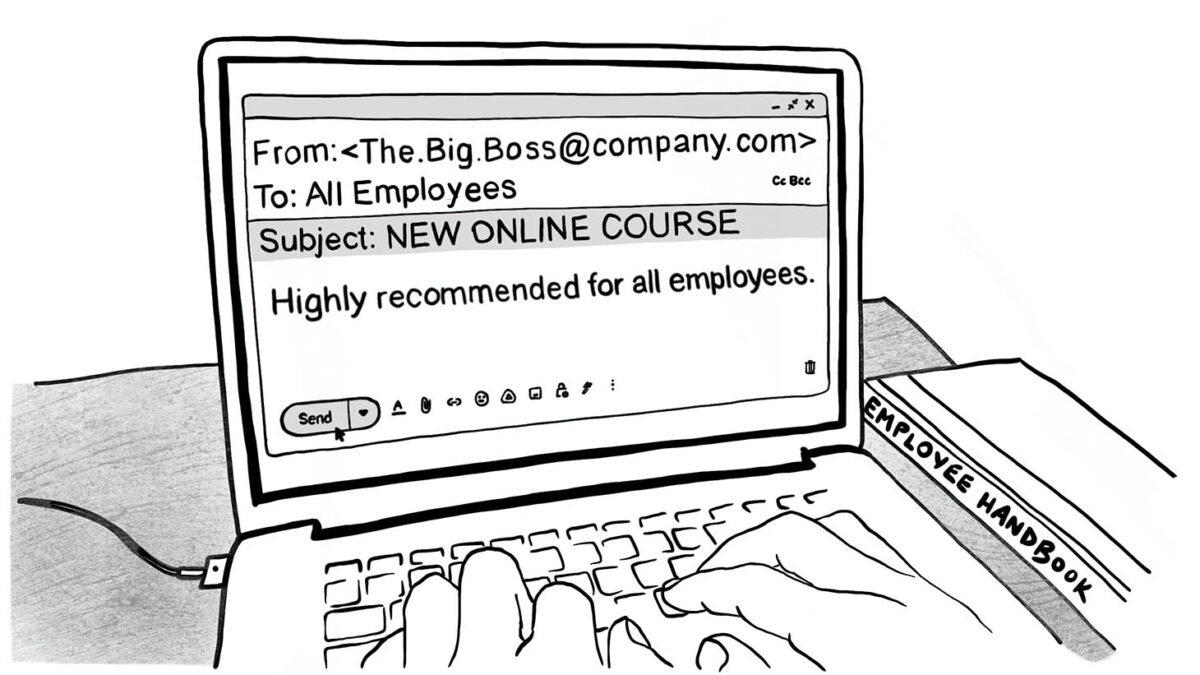
Office email typed out: highly recommended all employees take the new online course

We are proud to announce the much anticipated Building a Respectful Workplace online course! Those who were on the waiting list should have already heard from us directly, but for the rest of our community: consider this your formal invitation to join us in our online retreat at the lake.

Are instances of disrespect, or perceived disrespect, damaging your workplace culture? Are you unsure if/how you can respond to situations like these if you are a part of them, whether in a passive or active way, no matter how big or small?

You’re not alone.


Building a Respectful Workplace brings together three experts in the field of conflict resolution who each provide a unique perspective to this important area of need:

  • Paul Kruse: currently serving as a mediator for the Manitoba Human Rights Commission, Paul is also the arbiter of reason for his five children.
  • Tanya Clarke-Marinelli: as a life coach, grief and loss trainer, and mediator, Tanya has walked a diverse path towards creating healthy relationships within the workplace and pairs this with her passion for cultivating healing within Indigenous communities.
  • Janet Schmidt: in university, Janet had pursued two different interests – one in business and another in psychology. Since 1996, she has merged these two passions by becoming an expert on workplace mediation. With decades of broad hands-on experience, she continues to serve in the community and occasionally teach courses on conflict resolution at both the University of Manitoba and University of Winnipeg.

Together, these three experts have built an extensive curriculum that draws upon their collective decades of experience. This online course is packed with pragmatic advice and tools that will assist workplaces in becoming respectful environments where we can all collaborate and thrive.

The four characters of the classic office drama: the source, the target, the observer, the authority

What exactly do we mean by respect? Here is our working definition:

Respect (pronounced ri-ˈspekt): Due regard for the feelings, wishes, rights, and traditions of others.

This is something we all value in our places of work – never mind life in general. The question becomes: how can we ensure mutual respect?

Conflict is natural; disagreement about issues and ideas can even be healthy if they produce broader perspectives and learning opportunities. This, however, is subtly distinct from respect – which is about behaviour.

Whether our roles are small or large, conscious or unconscious, we each play a part in affecting the culture at our places of work. Together in Building a Respectful Workplace, we will look closely at the diverse cast of characters involved in the all-too-common drama that is disrespect in the workplace. As with most stories, at the heart of the conflict is a target and a source (avid readers might instead know these folks by their colloquial names, victim and villain, respectively). Beyond the epicentre of this scene, there’s also an individual playing the role of observer – someone bearing witness to the event. And lastly there is an authority – someone carrying the responsibility to intervene and resolve the situation.

Do any of these roles sound familiar? Have you played any (or all) of them in the past? Through case studies and examples, we will unpack the skillful actions available to us in these difficult moments. This course will prompt us to carefully consider our influence in creating the kind of work environments that we would enjoy spending our days in.


This online course is a comprehensive webinar that scales to meet both the needs of an individual and their organization. Relationships are an integral part of our livelihoods, and tending to them is important for setting us all up to flourish – whether that is with clients or colleagues, or if we are sole proprietor or a team leader.

A detailed manual is provided as a course companion for Building a Respectful Workplace. This can complement a workplace policy that your organization already has in place, or be tailored to suit your current guidelines. Our goal is to ensure the fostering of happy and healthy workplaces; reach out to us at the links below to open up a discussion about how we can provide extra customizations to meet your specific needs.

Regardless of the size of your business, we strongly recommend that your entire team take this course together and that new hires are enrolled as early as possible. Laying the foundation of a respectful workplace culture is vital for each employee’s future within your company – and is an investment that will pay off in leaps and bounds.

To inquire about registering your whole team for this webinar (bundle pricing) or to schedule a live training for your group, please reach out via email, phone, or our website contact form.


Cultivating respectful environments is a foundational aspect of any workplace, regardless of the industry. To accommodate for tight schedules and space limitations, this course is offered online and on-demand so you can begin learning right now.

We are proud to offer the Building a Respectful Workplace course as an extension of the in-person work that Mediation Services has been doing for Winnipeg’s local community since 1979 – and an opportunity to use technology to share the expertise we’ve garnered, with each and every one of you.

Please join us in building your respectful workplace. It’s a goal that is close to our hearts and we hope to support you in creating it together.

Beginner’s Mind: A fresh way of thinking.

Day 1 / 730 / 10000 emoticon tryptic

Are you a beginner?

Before you click away and resume doom-scrolling (it’s OK, we’re all doing it), think about it: do you see the world from a place of curiosity, or do you assume, Nah, I’ve seen it all before?

Whether we are five or fifty-five, we can approach life with the mindset of a beginner.

And what exactly characterizes a beginner’s mind?

A beginner’s mind looks at something new with a freshness, knowing nothing and therefore wholly open to listening. A young child, for example, fills their blank slate with wide-open eyes, innocent questions, and mimics the examples laid out in front of them.

But a lot of us have made a few laps around the sun already. Ideally, an expert’s mind knows enough about something to understand that they will never know all of it. Imagine a journeyman carpenter, who’s been sawing wood for 40 years, and has seen their industry evolve from hand tools to power tools over a lifetime. Despite change being uncomfortable, the path to them becoming an expert in their field was one of continuous learning; born of an open mind that isn’t all that different from the apprentice starting out on their first day at the job.

These two mindsets anchor the ends of a timeline of understanding, but there is a third stage that stands between them: that of the intermediate mind. In this place, we know a little about something, but not yet enough to understand how little we don’t yet know. Case in point: the overconfidence that accompanies the terrible teenage years – we’ve all been there.

Alas, the intermediate mindset is an easy one to get stuck in and doesn’t age out of us as simply as the hormones of puberty. Instead, it carries forward into our relationships, careers, and communities.


Let’s explore the why and what behind the intermediate mindset, so that perhaps we can avoid some of its perils.

Think back to your first job. Did you walk into that kitchen / yard / office ready to cook / garden / spreadsheet without any training? For those of us with a normal level of confidence, the answer to this would obviously be no. With a relatively clean slate, it’s natural to slip into a receptive stance when a manager steps in to share the wisdom of the novel trade.

Two years later in the very same job, advice from the very same coworker falls on different ears. With 730 days of experience, you are no longer a blank slate – and in the midst of their speaking you are already forming a response. Instead of listening, you are waiting for a moment to interject and speak your piece. Maybe the thought is a good one (emphasis on maybe), but either way it occludes your ears from really listening to what’s being said to you.

What changed? Well, now you know better.

Or so you think.


Spoiler: we don’t always know better.

What’s wrong with a little bit of confidence? you might ask. Nothing actually – the problem lies rather in overconfidence, a place where ideas get hardened and stop evolving. With this rigid mindset, we get in our own way – and condemn ourselves to unnecessary trouble. So, why do we as humans trend in this direction?

On the one hand, we crave certainty – a safe harbour in a chaotic world. On another, our modern world seems to demand it of us – not allowing us to change our opinions without being crucified for it.

And so we double down on that which we know.

A plant being watered with curiosity so that it grows

In the context of conflict, the intermediate mindset can result in us talking at each other rather than talking to each other. It’s a very real hurdle, with very real consequences of strife and resentment. Though oft unconscious (like the angst of a teenager), this can mean the difference between feeling frustrated or fulfilled in our interactions.

Despite our cravings for certainty, things are rarely so simple. Be wary of black-and-white thinking. Assumptions can get us into trouble and amp up the likelihood of getting defensive. The key to evolving beyond the intermediate mindset is to notice and temper these beliefs with a humble reminder of the truth: that we never know everything. And while that can be scary, it is also very freeing.

With practice, we learn to suspend our viewpoint in order to really bear witness to what’s happening around us. This dynamic of pausing and opening to a wider view is hard at first but over time becomes natural – and it’s from this place of inquiry that we can transform ourselves and our relationships.

Growth happens from the fertile soil of openness and curiosity. Let’s learn how to make it safe for ourselves and each other to change our minds.


At Mediation Services (in Winnipeg and online), we specialize in facilitating open discussions surrounding family conflict, co-parenting / separation, workplace conflicts, and community conflicts.

In order to speak and be heard, we also need to listen – and this requires a certain degree of openness. Ideally this results in a two-way conversation, but if you find yourself stuck, we are here to help. Send us a message here and let’s see what we can accomplish together.

Defensiveness: The view from the outside.

A mirror warns, "Objects may be different than they appear." A dinosaur peeks into the mirror

When working with defensiveness, it isn’t just with what arises within ourselves. Like a bird flying into a freshly cleaned windowpane, we inevitably bump into it out in the world oft when we don’t see it coming.

In the daze that follows, we find our feet; reflexively mirroring the defensive stance we face and reacting in our own way. This behaviour biologically bypasses conscious thought in our brains and, triggered by someone else being triggered, tends to unwittingly escalate a situation from nothing into…well, even more of a situation.

It’s not ideal.

How…why…what in the world just happened…? we can’t help but wonder to ourselves when the dust finally settles down.


So, what exactly happens to take someone from it’s-all-good to red-alert in no time flat? It’s a tricky question that aims to peer beneath the surface of someone’s actions. In past blog articles we’ve explored defensiveness a fair bit, but mostly through a focused look inward at how it manifests within ourselves in the competitive "game of life". When we turn our inquisitive gaze outwards to others however, there is a lot less information to go on and it is hard to discern the potential source of others’ defensive behaviour.

While every situation is different, there are a few defensive patterns to be aware of.

Let’s take a closer look at an example and try to figure out what’s going on.

Act I

Scene 1

SETTING: You’re in a meeting at work. Everyone is sitting around the boardroom table. Things are going fine – the reports are being analyzed and everyone is nodding in agreement about the team’s plan going forward.

YOU: noticing a discrepancy in the numbers being projected on the wall, you turn to your colleague running the presentation to interrupt, "Thomas, is this number accurate?"

THOMAS: swivelling around abruptly to face you, quickly retorts, "Stop attacking me!"

Everyone falls silent. There is an awkward energy in the room.

(END OF SCENE)

And just like that, SMACK – we’ve hit our proverbial windowpane of defensiveness. In the span of a moment, things suddenly went from smooth to sideways.

What exactly happened? Where might this unexpected response have come from?

There are three contexts that trigger defensiveness:

  1. Someone has been falsely accused and is defending their good name.
  2. Someone is guilty and trying to cover up.
  3. There is a grain of truth in the comment or accusation.

In the aforementioned example, can you determine which context your colleague Thomas is acting out of? It is not so clear. If he is innocent, he will act defensively. If he is guilty, he will also act defensively. And in both cases his response will look pretty much the same to you.

Illustration of two telephones with a squiggle in the cord. A chat bubble over one phone says "How are you" and the other says "RAWR!"

It’s one thing to look inwards with some insight into what’s at play, but when looking outwards it’s easy to fall into the dangerous zone of incorrect assumptions. Be mindful of this, and try to catch when you might be jumping to conclusions about the inner workings of someone else.

Shifting from a stance of defensiveness to curiosity, we can keep lines of communication open to try and bring clarity to the situation in order to avoid escalation. Ask questions to try and unpack where others are coming from. Try to hit pause before reacting in heated situations. Take responsibility for your role and any words / body language / actions that may have been misconstrued.

It’s worth noting that the inverse situation is also true: never assume that others can understand where you’re coming from when you also happen to behave defensively (and, going beyond this, in all of your actions). Again, try to be considerate of others by communicating what’s going on beneath your skin – not to absolve responsibility, but instead to give insight to your perspective and lend clarity to living in community with each other.

Either way, the only thing we can control is our own actions.


Understanding defensiveness is the first step in learning to better work with it because, like it or not, it’s an invisible hurdle that we’re all going to bump into now and again. Life is full of relationships, and different histories and perspectives overlap in this messy experience called the present. Feathers are bound to get ruffled from time to time, but there is always a choice in how we pick ourselves back up and face that which we bumped into. In this, it’s possible to not bump into the same invisible pane (pain?) over and again.

This is just the tip of the iceberg. Join us in diving deeper into this (and more!) with our on-demand online course Dealing with Defensiveness. Its curriculum is the result of many decades of work in this space, and through it we offer proven techniques and exercises to better resource you for life’s inevitable conflicts.

Remember: conflict is natural – and we can work with it.

Beginnings: New year, not-so-new you.

Illustration of the December of last year's calendar peeking out of recycling bin

So, how are your New Year’s resolutions going?

It’s a new year; a chance for a fresh start as we fill in the empty calendar. Or…is it really? Whether you were watching the countdown or fast asleep in dreamland, when the clock struck midnight on December 31st did you suddenly become a new version of yourself?

If the answer is yes, there are scientists who would be interested in talking to you. But for the rest of us, it’s safe to say that we remain the same version of ourselves. Sure it is the start of another day, but on a wide enough timeline, there is no real beginning or end. Instead, each moment is a continuation.

Some of us might prefer to leave the past behind: we look forward to tossing out last year’s calendar and putting up a fresh one. But as we walk past the recycling bin in the days that follow, that old crinkled calendar peeks out as a physical reminder of what was. Although we may be ready to move forward, we are still connected to our pasts – whether we like it or not.

There are times when it sure would be nice to truly wipe the slate clean – hit undo on a few things, rewind with hindsight, and try again. But we are inextricably woven into a web of interconnectivity: our actions have consequences, and the best we can do is live with them. Sadly, beginnings aren’t always as fresh as we hope them to be.

But before we slide into despair, there is some good news: the future is yet to be written. If we let go of the idea that new beginnings happen on their own, we can find empowerment in the potential of every moment. While this juncture may not be as fresh as we once hoped, it is also imbued with the potential for us to choose a fresh start. Each and every moment is a chance to begin again – not just when you pin up a blank calendar.

Illustration of assessing what went well in a journal.

So as we step into the future, we have choice. And those choices are informed by past experience. Some of these old habits and modes of being might be skillful – but others might not. In our aspirations to evolve into better versions of ourselves, the messy entanglements that make up our existence must be taken into account. The past is intertwined with our being – our brains, communities, workplaces, etc – and the only way to untangle the knots is to enter the tangle fully.

Despite conflict being natural, these knots can be messy. At the same time, the relationships intertwined with them bind us to each other in beautiful, profound, and serendipitous ways. The work required by each of us is to tend to these knots as best we can, with skill and care.


All of that said, the new year is still an opportunity for us to reflect and take stock:

  • What did you do last year in your relationships that was beneficial? Let this be encouragement to continue putting effort into the personal work.
  • What did you do last year that proved to be rather detrimental? Let this be a compass towards finding appropriate action and minimizing bad habits going forward.

It takes a bit of work to accept responsibility and manage the momentum of the past, but with daily effort we can slowly find big change. Here at Mediation Services, we aim to help with the more friction-y aspects of untangling conflict in life, love, and livelihood.

Sometimes it can feel like we’re stuck in conflicts that are bigger than we can handle. In such cases, reaching out for help is the lifeline we need.

Our office inbox is open and the phone is plugged in, and we’re on the other side waiting to listen and help. Whether you’re in need of assistance from a third party mediator or are looking to learn tools to help solve your own problems, we are here for you.

Relationships can be difficult but they are also integral to living, and so we owe it to ourselves to not give up on them so easily. Find hope in the realization that change is constant and every moment is an opportunity to spark something new.

So: it’s a new year, and you’re sort-of-the-same-old you. Now what?

Change: An uncomfortable constant.

Child to adult evolution across timeline

The nature of life is that the only constant is change. Nothing is static; instead, everything moves amongst that which is around it. From the tiny shifting cells that make up our toes to the wide-reaching impact that our feet have on the ecosystem of our shared planet, these continuous transformations happen on vastly different scales.

But let’s not get lost in the metaphysics. Somewhere in the middle of this overwhelming spectrum of interconnectivity are our direct relationships with others – which ripple outwards in all directions.


Think about a past version of yourself – the person that you were ten years ago. What were you focused on? What struggles did you face? What were you proud of? And with all this in mind, what has changed since then?

Now consider: What would you tell your younger self if you could go back in time? Sure, there is the temptation to give the wishful answer of some winning lottery numbers, but if we take the question more seriously most of us would want to share some wisdom we’ve garnered since then. And in so doing, spare ourselves the struggle of learning it the hard way.

Perhaps a part of this exercise ignites some discomfort around the ignorance of youth – who amongst us hasn’t done something we’re embarrassed of later in life? Beyond this, it’s worth noting that this contrast between past and present self is indicative that we haven’t been stagnant in life. Rather, we’ve all changed and the lessons learned along the way are healthy signs of growth.

You’re not the same person you were a year ago. Your workplace is not the same place it was a year ago. The world is not the same place it was a year ago. In all of these cases, the path from then to now was anything but straight. Alas, we are stuck fumbling forward into the unknown as the time machine remains a figment of science fiction.

Change is welcome here doormat

Deep inside, we all know that there is room for self-improvement. Who would deny that they’re a work-in-progress? Yet despite this, when a colleague comes to us with negative feedback about how we can improve we still get defensive. This is a moment of cognitive dissonance; an illogical response that occurs when our internal monologue goes, "‌I know I’m not perfect, but I want you to see me as doing well".

There are two contexts that tend to trigger cognitive dissonance in all of us:

  1. When we’ve invested time / money / reputation / effort in some activity or belief that turns out to be wrong or foolish.
  2. When something challenges a central element of our concept of who we are.

Cognitive dissonance results in all-or-nothing thinking. As we’ve explored with a bit of Biology 101, it’s really hard in these moments to think clearly and find space to consider what is actually true.


In the face of constant change, cognitive dissonance naturally arises. And so we get defensive, even if it might not make sense. When this happens, how can we manage it? We remember: this too will change.

Just like change can be a source of discomfort and unease, it can also be the solution to dealing with missteps and challenging situations. We learn, we experiment, we reassess…and that’s human. Perhaps looking back and feeling embarrassed about our past selves is a good sign – it means we are evolving and growing.

What if we could embrace this line of thinking and shift our internal monologue from, "I’ve done it this way for all these years, so why should I change now?" to, "Different world, different time…so different things will work!"

With openness, we can try new strategies and in so doing steer change in a more helpful direction.

Working with our defensiveness

Change is one of a myriad of internal factors that prompt our inner monologues towards a stance of defensiveness. These thoughts in turn spill out as actions, both of which tend to escalate the situation at hand.

In our core online course, Dealing with Defensiveness, we explore our relationship to these sorts of triggers and ways to better manage our fiery responses.

We’re in a massive period of change in the world. Fighting this fact can only lead to suffering for ourselves and those around us, so let’s instead work to improve our relationship with it.

We don’t need to get stuck with our defenses up. Let’s continue to fumble forward together. Be kind to yourself and others, embracing change rather than fighting it.

If you have questions,
please don’t hesitate to call.

1-204-925-3410

Subscribe To Our Newsletter

For The Latest News & Updates