Peacemaking: Imagination, courage, and smalls steps.
August 27, 2026
August 27, 2026
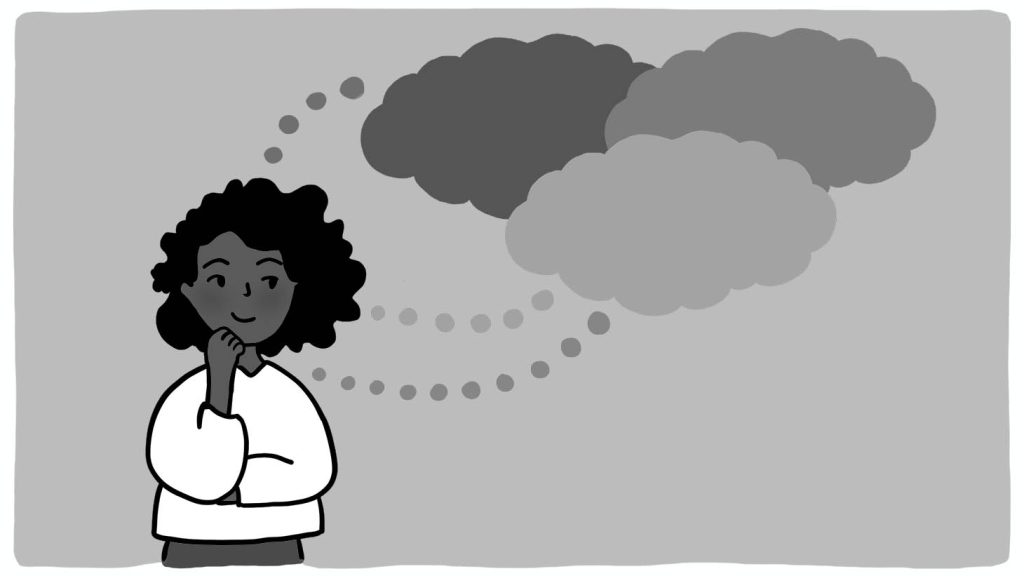
There’s a version of peacemaking that looks like a negotiation: two parties, a table, competing interests, and a deal to be struck. Get the incentives right, apply enough pressure, and an agreement emerges – problem solved.
John Paul Lederach has spent nearly fifty years watching this version often fall short – not because negotiation is useless (he has been at those tables), but because it tends to address the surface of conflict while leaving the deeper ground untouched. Real peacemaking, he argues, is closer to an art than a transaction, and it requires a particular kind of imagination that can’t be reduced to technique.
In his book The Moral Imagination, Lederach identifies four qualities of imagination that he observed consistently in communities that found ways through protracted conflict. Together, they sketch a picture of what this art form actually looks like in practice.
There is no checklist for moral imagination, no certification that confirms you have acquired it. These four qualities are more like orientations and dispositions that have to be cultivated over time, often through failure.
For those of us working in conflict resolution at any scale – whether in boardrooms, classrooms, or across kitchen tables – this is both an encouragement and a challenge. The encouragement is that peacemaking doesn’t require a perfect process or a perfect facilitator. It requires people willing to hold a wider frame than the conflict itself and touch into a sense of empathetic understanding.
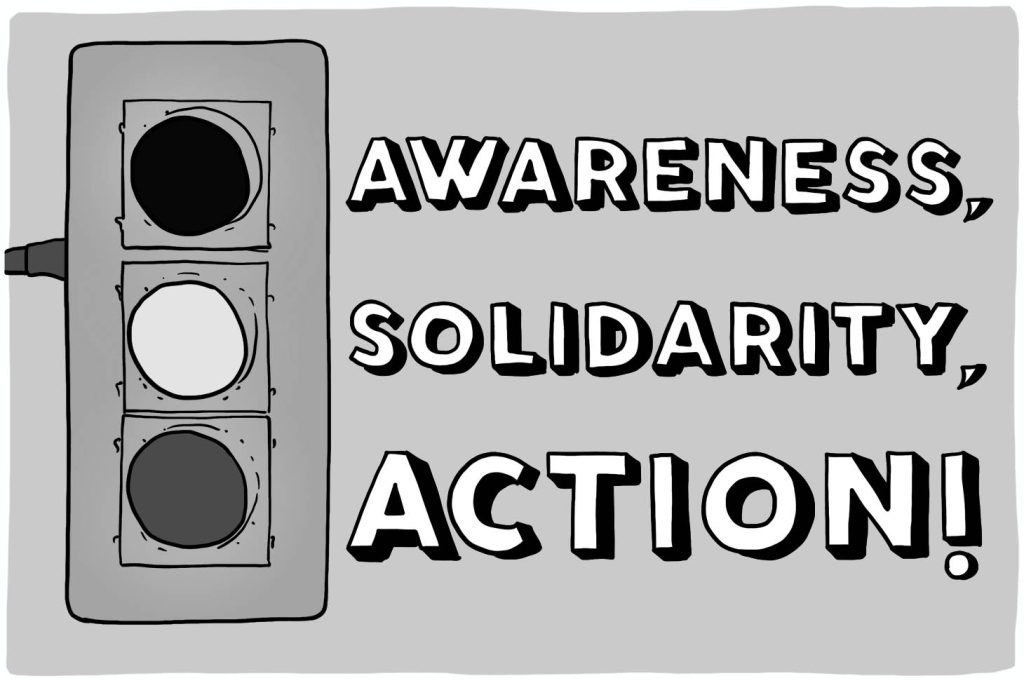
Compassion isn’t just an emotional state or a feeling of sympathy. It’s a three-part practice:
All three matter. Awareness without solidarity is isolation. Solidarity without action is sentiment. And action without awareness risks doing harm in the name of good.
But together, these three – in small, specific, present-tense doses – are what peacemaking actually looks like from the inside. Not grand gestures. Not historic accords. Just this: paying attention, reaching for a hand, and taking the next step that’s in front of you.
Peace is not something that gets built once and stands. It’s something that has to be continually made, by people willing to imagine it into existence.
This article is a continuation of a series of blog posts based on the peacemaking work of John Paul Lederach. Before diving in here, it might be useful to reread our first one on Dehumanization: How ‘we’ and ‘they’ slowly break community and the second on Conflict Transformation: Peace begins where we can still reach each other.
More to come soon.