The 89% Problem: Why expectations go unmet.
November 23, 2026
November 23, 2026
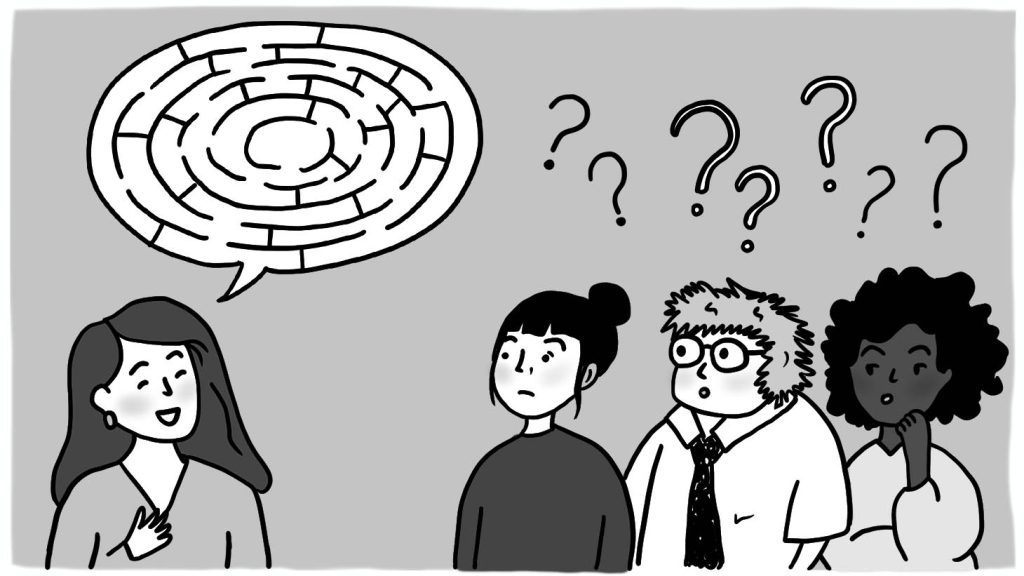
Imagine this:
It’s Thursday afternoon and the weekly report is late. Again. Dana, the team lead, stares at her inbox and feels her jaw tighten. This is the third time this month. When Sam’s report finally arrives at 4:55, it’s missing the budget section – again.
He just doesn’t care, she thinks. I shouldn’t have to spell this out for a grown adult.
It’s a very human reaction. When someone keeps missing the mark, our minds reach for the simplest explanation: something must be wrong with them. They’re lazy, careless, or not taking the job seriously.
But what if the simplest explanation is usually the wrong one?
In his book Partnering with Employees, Duke Nielsen shares what he found after studying thousands of situations where employees weren’t meeting their supervisors’ expectations. He sorted the root causes into four categories – and the results are striking:
Take a moment to let that sink in. The explanation our gut jumps to first – they just don’t care – accounts for about 1 in 100 cases. Nearly nine times out of ten, the missing piece is clarity or support.
Nielsen also noticed something about the supervisors he interviewed: most assumed employees were at fault for falling short, and that it was up to the employee to take the initiative to improve. Going by the numbers, that assumption is wrong about 99% of the time.
And here’s the kicker: the assumption itself can create the 1% who is not committed to meeting expectations. When people feel blamed for a problem they don’t understand, they tend to feel helpless and ashamed. Over time, some give up trying – staying in the job but quietly checking out. It’s sometimes called “quietly quitting” or "quit and stay". The belief that someone doesn’t care can become the very thing that makes them stop caring.
If you’ve been reading along with us for a while, you may recognize an old friend here: the attribution problem. When we fall short, we understand the circumstances – the unclear instructions, the competing priorities, the email we never received. When others fall short, we’re quick to blame their character.
There’s another wrinkle too. We don’t know what we don’t know. Many people genuinely believe they’re meeting expectations. Others suspect they’re missing something, but feel they should already know – so rather than ask, they try their best to figure it out on their own. Meanwhile, the person with the expectations assumes that everyone can read their mind.
Let’s revisit Dana and Sam. What if:
None of these excuse a missed deadline. But each one points to a very different solution than Sam just doesn’t care.
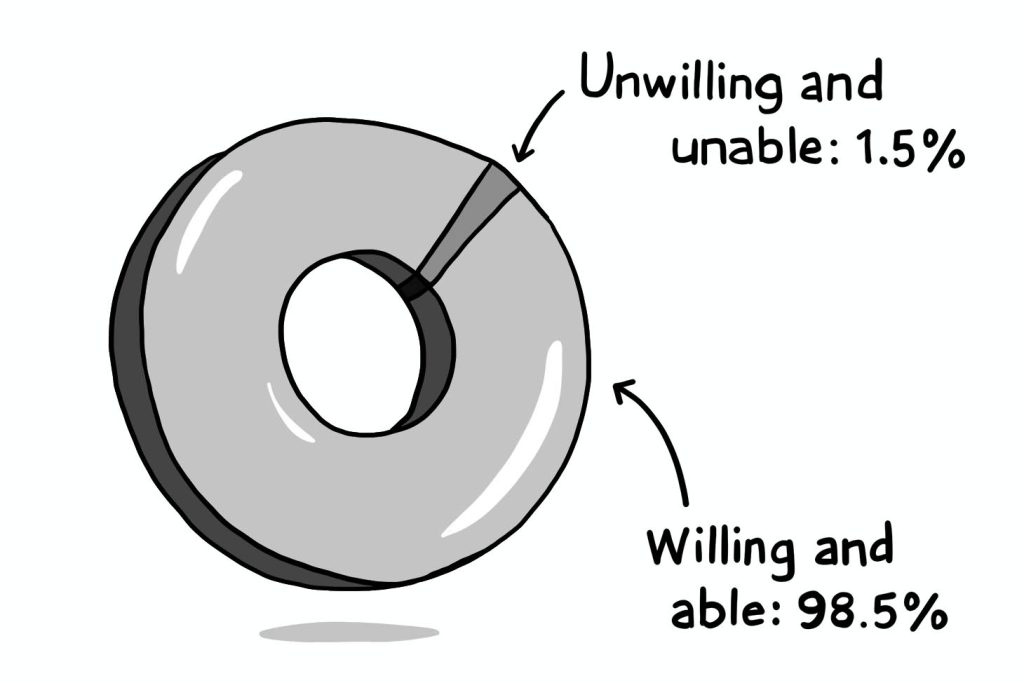
The good news hiding in the 89% is this: most unmet expectations can be addressed with a conversation. Not a lecture or a warning – just an honest, clear exchange about what’s needed and what’s getting in the way.
Before you decide someone doesn’t care, try asking yourself a few questions:
The next step? Have the conversation. Keep it short and specific: name what you noticed in a sentence or two, invite the other person to share their side, clarify what you need going forward, and ask what might help. Remember that clear is kind. And if you’ve let things slide for a while, own that too – it goes a long way.
And while Nielsen studied the workplace, the pattern shows up everywhere. The roommate who never takes out the recycling might not know it’s "their" job. The teenager whose room is "never clean" might have a very different definition of clean. Expectations we’ve never spoken out loud are hard for anyone to meet.
Clarifying expectations is one of six feedback conversations explored in our new on-demand webinar, Effective Feedback (read more about it here). Led by Janet Schmidt, it walks through how to have these conversations in a way that changes behaviour and keeps the relationship intact – AND what to do when one conversation isn’t enough.
Back in her office, Dana takes a breath and walks over to Sam’s desk. "Do you have a few minutes? I want to clarify something about the weekly report."
It turns out the conversation she needed was never about whether Sam cares. It was about whether anyone had ever told him what the finish line looked like.